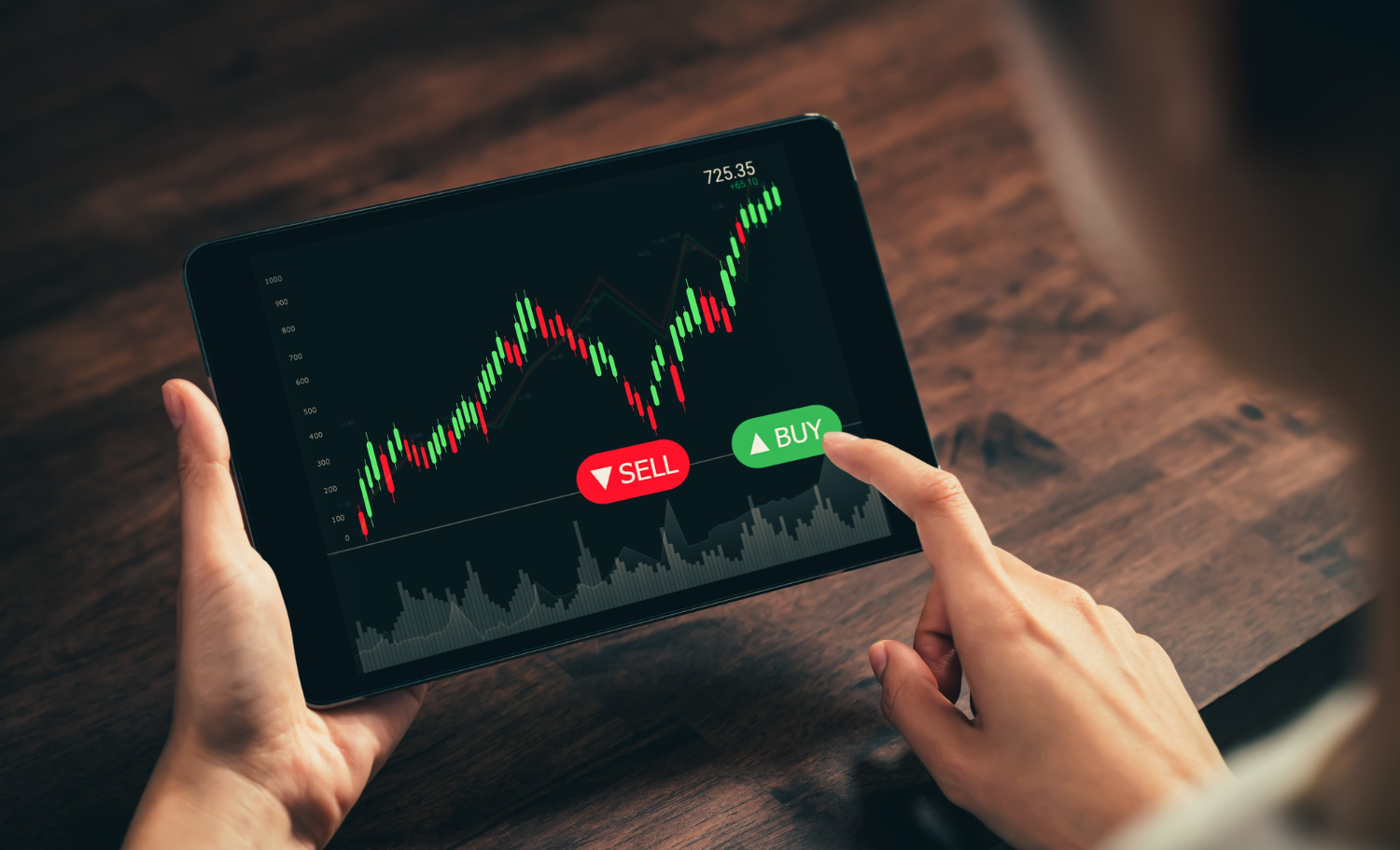

Many traders overlook how leverage ratios fundamentally alter risk exposure on small accounts. With a 10,000 deposit, the difference between 1:100 and 1:1000 leverage determines both position sizing capacity and liquidation thresholds. This analysis examines margin requirements, profit multiples, and drawdown scenarios at each ratio while revealing how broker compensation structures align with client losses rather than gains.
Account Setup with 10,000
A Filipino account opened with PHP 10,000 at brokers like IC Markets or Pepperstone requires selecting account currency PHP and verifying BSP/SEC-compliant documentation. This foundation determines how Broker Leverage interacts with your trading capital throughout every position. Negative balance protection becomes essential when comparing 1:1000 leverage against 1:100 leverage options.
Four specific steps complete the setup process. First select a Forex broker offering PHP account base currency along with negative balance protection. Second fund the account using Dragonpay or bank transfer. Third choose your leverage setting during account opening between 1:100 or 1:500. Fourth configure the base currency pair USD/PHP for trading operations.
Minimum deposit verification typically processes within one to three business days after funding. This timeframe allows the broker to confirm your identity documents and release trading access. The selected leverage ratio directly affects margin requirements and position sizing capabilities from the first trade onward.
Retail traders must understand how different leverage ratios change risk exposure on the same PHP 10,000 balance. A 1:100 leverage setting requires larger margin percentage per trade compared to higher ratios. This choice influences how far price can move before triggering margin calls or forced liquidation scenarios.
Leverage Mechanics Explained
Leverage multiplies market exposure by allowing control of larger positions than account balance permits. This mechanism lets retail traders access meaningful market movements with modest trading capital. The ratio itself determines how much notional value becomes available relative to the PHP 10,000 Filipino Account balance.
Broker Leverage at 1:100 corresponds to 100x leverage while 1:1000 leverage reaches 1000x. The margin percentage calculation sits at the core of each ratio. A 1% margin requirement applies to 1:100 leverage and a 0.1% margin requirement applies to 1:1000 leverage.
These percentages dictate how much capital must sit aside before any position opens. Higher leverage reduces the margin needed yet increases overall risk exposure. Lower leverage demands more margin while limiting potential loss amplification across the same currency pair.
Contract size remains fixed at 100,000 units for a standard lot. Position sizing therefore changes dramatically depending on which leverage ratio applies. The margin formula simply divides notional value by the reciprocal of the leverage ratio to determine required funds.
1:100 Leverage Position Size
With 1:100 leverage on a PHP 10,000 account, a trader can control PHP 1,000,000 notional value per standard lot. This means the account balance supports a full standard lot under normal margin rules. The same balance can also open multiple smaller positions across different currency pairs.
A 0.01 micro lot on EUR/USD requires PHP 100 margin at 1% margin requirement. That position moves PHP 0.54 per pip. A 50-pip stop therefore equals PHP 27 risk on the account. Many traders reference a position sizing calculator to confirm these numbers before entry.
The 100x leverage ratio allows larger lot size relative to the PHP 10,000 Filipino Account. However, any adverse movement quickly consumes free margin. Brokers calculate used margin continuously and issue margin calls once equity drops too low.
Retail traders often select 1:100 leverage when they prefer slower position growth. This choice reduces the speed at which losses compound. It also preserves capital longer when stop-loss distance reaches 50 pips or more on major pairs.
1:1000 Leverage Position Size
With 1:1000 leverage on PHP 10,000, the same account controls PHP 10,000,000 notional value per standard lot. This tenfold increase in exposure comes from the 0.1% margin requirement. The broker now requires only PHP 10 margin for a 0.01 micro lot on EUR/USD.
The pip value stays PHP 0.54 for that micro lot. A tighter 10-pip stop equals PHP 5.40 risk. Volatility comparison reveals that 1:1000 leverage reaches the same loss threshold much faster than 1:100 leverage when price moves against the position.
Effective leverage differs from mathematical exposure once spreads and overnight swap fees apply. The higher ratio creates a leverage trap where small adverse moves trigger forced liquidation. Account wipeout occurs when equity falls below the broker margin threshold.
Filipino traders must weigh capital preservation against the desire for larger gains. The 1000x leverage ratio multiplies both profit potential and loss probability. Most regulatory frameworks outside the Philippines limit this ratio precisely because of liquidation risk.
Margin Requirements Comparison
Margin requirements differ dramatically: 1:100 needs 1% margin while 1:1000 needs 0.1% margin for identical positions. This difference changes how much capital stays locked when opening trades. A Filipino Account with PHP 10,000 faces very different outcomes depending on the chosen leverage ratio.
Consider a EUR/USD trade at 0.1 lot size. The notional value equals 10,000 units of base currency. Under 1:100 leverage the margin requirement reaches 1% of that value. Under 1:1000 leverage the same position needs only 0.1% margin.
These percentages translate into actual peso amounts. The 1:100 option uses PHP 1,000 as margin. The 1:1000 option uses PHP 100 as margin. Both calculations assume the same contract size and current exchange rate.
| Leverage Ratio | Margin Percentage | Margin Required (PHP) | Free Margin (PHP) | Maximum Lots | Margin Level % |
| 1:100 | 1% | 1,000 | 9,000 | 10 | 1,000% |
| 1:1000 | 0.1% | 100 | 9,900 | 100 | 10,000% |
Maximum lots before margin call depends on free margin remaining. With PHP 10,000 at 1:100 leverage a trader can open 10 lots before hitting zero free margin. At 1:1000 leverage the same account supports 100 lots before free margin disappears.
Margin level percentage shows equity divided by used margin. Most brokers trigger forced liquidation when margin level drops to 20%. This threshold means equity must stay above one-fifth of the used margin at all times.
At 20% margin level the broker closes positions automatically. The account balance cannot cover further losses. Both leverage options reach this point faster when position size grows beyond sustainable levels.
The 1:1000 leverage ratio allows larger position size but reduces room for market movement. A small adverse pip movement consumes free margin quickly. The 1:100 option leaves more buffer before reaching forced liquidation.
Profit Potential at Each Ratio
A 50-pip EUR/USD move generates PHP 540 profit on 0.1 lot regardless of leverage, but the required capital exposure differs. The margin requirement changes dramatically between ratios. Your Filipino Account with PHP 10,000 faces different position sizing rules at each broker.
At 1:1000 leverage the margin percentage sits near 0.1 percent. A 0.1 lot position needs roughly PHP 100 in used margin. The remaining PHP 9,900 stays as free margin for other trades or buffer against volatility.
At 1:100 leverage the margin percentage rises to 1 percent. The same 0.1 lot position now requires PHP 1,000 in used margin. This leaves PHP 9,000 as free margin and reduces your ability to open multiple positions simultaneously.
Position size therefore scales with available leverage. Higher ratios allow larger lot sizes on the same PHP 10,000 account. Lower ratios force smaller positions or force you to accept reduced notional value per trade.
ROI per trade follows the same scaling pattern. A 10-pip move on 0.1 lot returns PHP 108 at either ratio. The percentage return on capital differs because the margin tied up changes.
A 50-pip move produces PHP 540 as noted. That equals 5.4 percent return when PHP 10,000 is fully committed at 1:100 leverage. The same move equals 54 percent return when only PHP 1,000 is committed at 1:1000 leverage.
A 100-pip move doubles those figures. PHP 1,080 profit appears on both ratios. The percentage of trading capital at risk again depends on which broker leverage ratio you select.
Risk-to-reward ratio calculations stay consistent across leverage levels. A 1:2 reward setup on a 50-pip stop-loss requires a 100-pip target. The profit and loss math remains identical.
The difference appears in account survival. Tighter margin at 1:100 limits position size and caps both gains and losses. Wider margin at 1:1000 multiplies both outcomes and increases liquidation risk when price moves against you.
Retail traders must match lot size to stop-loss distance and account balance. A 50-pip stop on a 0.1 lot position risks PHP 540. This equals 5.4 percent of a PHP 10,000 account and violates common 1 percent or 2 percent risk rules unless position size is reduced.
Lower leverage encourages smaller positions by default. Higher leverage requires deliberate position sizing to avoid over-leveraging. Both approaches produce the same pip value but different margin percentages and different paths to margin call.
Risk of Loss and Liquidation
Higher leverage ratios exponentially increase both winning and losing probabilities per pip movement. Equity level monitoring becomes critical when brokers track margin percentages in real time. Most platforms issue warnings before positions reach dangerous territory.
A 50 percent margin call warning alerts traders that their account balance has dropped significantly relative to open positions. At this stage, adding funds or closing trades becomes necessary to avoid forced actions. The 20 percent forced liquidation threshold triggers automatic position closure by the broker.
Loss amplification multiplier differs dramatically between ratios. With 1:100 leverage, each pip movement represents moderate exposure relative to trading capital. At 1:1000 leverage, the same pip movement creates ten times the profit and loss impact on margin allocation.
Filipino traders using a PHP 10,000 account must understand these thresholds before selecting a leverage ratio. The broker incentive structure favors higher leverage because it generates more spread income from frequent account wipeouts. Capital preservation requires matching leverage to actual risk tolerance rather than maximum available exposure.
1:100 Account Drawdown
At 1:100 leverage, a 100-pip adverse move on 0.1 lot creates PHP 540 loss representing 5.4 percent account drawdown. This represents a manageable impact on the overall trading capital for Filipino accounts. Position sizing at this ratio allows more room for recovery from temporary market movements.
Maximum consecutive losses before margin call calculation shows that 18 consecutive 50-pip losing trades wipe PHP 9,720 from the account. The remaining balance sits just above the 20 percent forced liquidation threshold. Recovery factor needed equals 1.06 times to restore the original PHP 10,000 balance.
Applying the 2 percent risk rule on a 10k PHP account means each trade risks no more than PHP 200. This approach extends account survival even during losing streaks. The 1:100 leverage ratio provides enough buffer for retail traders following disciplined position sizing practices.
Stop-loss distance calculations at this leverage allow 50 to 100 pip tolerance before reaching critical margin levels. Major pairs like EUR/USD offer reasonable volatility that matches this risk framework. The mathematical exposure remains proportional to actual account balance rather than inflated through excessive leverage.
1:1000 Account Drawdown
At 1:1000 leverage, the same 100-pip adverse EUR/USD move creates same PHP 540 loss but equals 5.4 percent of a PHP 1,000 margin allocation. This margin requirement represents just 10 percent of the PHP 10,000 trading capital. The remaining 90 percent sits as free margin until positions move against the trader.
Eighteen consecutive 10-pip losing trades wipe the entire PHP 10,000 at 1:1000 leverage. The same loss sequence would require 180 trades to achieve identical damage at 1:100 leverage. This asymmetric payoff structure favors the broker revenue model over trader capital preservation.
Kelly criterion recommendation suggests limiting risk to 1 percent per trade at this leverage ratio. The 10-pip stop becomes mandatory rather than optional when using 1:1000 leverage. Position size must shrink dramatically to maintain the same percentage risk as lower leverage accounts.
The leverage trap appears when traders increase lot size to compensate for smaller stop distances. Account wipeout probability rises exponentially with each additional position opened at maximum leverage. Capital efficiency claims from brokers often mask the liquidation risk embedded in high leverage ratios.
Broker Revenue Model
Brokers generate revenue primarily from spread costs and overnight swaps regardless of client profit or loss. The main income comes from each round turn trade executed on client accounts. This model stays consistent across most retail forex and CFD providers.
Consider a common example with EUR/USD. A 1.0 pip spread on 0.1 lot equals PHP 54 per trade round turn. That amount moves directly to broker revenue whether the position closes in profit or loss. Higher trading frequency naturally increases this income stream.
High leverage marketing often drives greater trading volume. Brokers promote 1:1000 leverage to attract attention from retail traders. This approach brings in new accounts yet frequently leads to faster client churn when positions move against them.
Regulatory oversight creates important differences for Filipino traders. BSP regulated entities follow stricter capital and disclosure requirements. Offshore CFD providers operate under lighter rules and may offer higher leverage ratios with fewer protections in place.
Which Leverage Benefits the Broker
Brokers benefit from 1:1000 leverage marketing as it attracts under-capitalized traders who generate higher trading volume before forced liquidation. This setup creates a revenue model that relies on frequent position turnover rather than long-term client success. A Filipino Account with 10,000 PHP becomes especially vulnerable when high leverage ratios encourage oversized positions relative to actual trading capital.
Research suggests that 78 percent of retail CFD accounts lose money across major regulatory jurisdictions. This figure highlights how leverage amplifies both potential losses and broker spread income from increased trade frequency. When traders face rapid margin calls, they often close positions quickly and reopen new ones, multiplying the spread costs collected by the broker.
One documented case involved a broker that reduced its maximum leverage from 1:500 to 1:30 following ESMA regulation changes. Revenue initially dropped because overall trade volume decreased among retail clients. However, the firm reported improved client retention over time as accounts survived longer without forced liquidation events.
High leverage ratios create a structural incentive where broker profit motive aligns with rapid account turnover. When a 10,000 PHP balance supports a position size that exceeds reasonable risk exposure, liquidation risk rises sharply during normal market volatility. Lower leverage options reduce this pressure and allow traders to maintain positions through typical price movements without triggering margin calls.
Conclusion and Recommendation
For PHP 10,000 Filipino accounts, 1:100 leverage provides sustainable risk-adjusted returns compared to 1:1000 leverage liquidation risk. The math shows that higher leverage ratios multiply both gains and losses, yet the probability of account survival decreases dramatically when margin requirements drop to 0.1 percent. Retail traders face asymmetric payoff structures where small adverse movements trigger forced liquidation before recovery becomes possible.
Experts recommend limiting each trade to 1 percent of total trading capital. This approach maintains account balance integrity even after consecutive losing positions. Position sizing calculators help determine appropriate lot sizes based on stop-loss distance and pip value for each currency pair selected.
Account survival probability over 100 trades favors the lower leverage option. With 1:100 leverage, traders maintain margin buffers that absorb normal market volatility. The 1:1000 leverage ratio leaves minimal room for error, converting routine drawdowns into margin calls that wipe out remaining equity.
Filipino accounts under PHP 50,000 benefit from conservative leverage settings combined with strict risk management. The 1 percent rule per trade preserves capital for future opportunities while reducing emotional decision-making during volatile sessions. Mathematical exposure calculations consistently demonstrate that capital preservation takes priority over aggressive position sizing.
Frequently Asked Questions
What is Broker Leverage at 1:1000 vs 1:100 for a Filipino Account With 10,000 and the Math That Exposes Which One Wants You to Lose?
Broker Leverage at 1:1000 vs 1:100 for a Filipino Account With 10,000 and the Math That Exposes Which One Wants You to Lose compares two common leverage ratios offered to retail forex traders in the Philippines. With a 10,000 account balance, 1:1000 leverage lets you control up to 10,000,000 in position size while 1:1000 only allows 1,000,000. The math shows that although higher leverage appears attractive, it dramatically increases both potential profits and losses, often resulting in rapid account wipe-outs that benefit the broker through spread and commission fees.
How does the math work when comparing Broker Leverage at 1:1000 vs 1:100 for a Filipino Account With 10,000 and the Math That Exposes Which One Wants You to Lose?
With 10,000 equity, 1:1000 leverage permits a 100-lot position while 1:100 only allows a 10-lot position. A 10-pip adverse move on USD/JPY would lose 10,000 (entire account) under 1:1000 leverage versus only 1,000 under 1:100 leverage. This mathematical disparity reveals that Broker Leverage at 1:1000 vs 1:100 for a Filipino Account With 10,000 and the Math That Exposes Which One Wants You to Lose is structured so the higher ratio accelerates losses and margin calls, effectively pushing the trader toward depletion.
Why do brokers promote 1:1000 leverage more than 1:100 for Filipino traders according to Broker Leverage at 1:1000 vs 1:100 for a Filipino Account With 10,000 and the Math That Exposes Which One Wants You to Lose?
Brokers market 1:1000 leverage because the math shows clients using it typically lose their deposits faster, generating repeated new deposits and higher trading volume. In a 10,000 Filipino account, 1:1000 leverage multiplies market exposure tenfold compared with 1:100, causing larger spreads collected per trade and quicker margin calls. Broker Leverage at 1:1000 vs 1:100 for a Filipino Account With 10,000 and the Math That Exposes Which One Wants You to Lose therefore highlights that the broker profits most when the client is over-leveraged and repeatedly loses.
Which leverage ratio actually protects a Filipino trader’s 10,000 account more, based on Broker Leverage at 1:1000 vs 1:100 for a Filipino Account With 10,000 and the Math That Exposes Which One Wants You to Lose?
The 1:100 ratio is mathematically safer because it caps exposure at 1,000,000 with a 10,000 balance, requiring a 100-pip adverse move to wipe out the account. In contrast, 1:1000 leverage needs only a 10-pip move. Broker Leverage at 1:1000 vs 1:100 for a Filipino Account With 10,000 and the Math That Exposes Which One Wants You to Lose reveals that lower leverage reduces the speed at which the broker can collect the client’s entire deposit through spreads and forced liquidations.
Can a Filipino trader survive longer with 1:100 leverage despite lower potential gains, per Broker Leverage at 1:1000 vs 1:100 for a Filipino Account With 10,000 and the Math That Exposes Which One Wants You to Lose?
Yes, survival math favors 1:100 leverage. A 10,000 account at 1:100 can withstand ten times more adverse price movement before total loss compared with 1:1000 leverage. This extended lifespan lets the trader weather normal market noise rather than being stopped out on minor fluctuations. Broker Leverage at 1:1000 vs 1:100 for a Filipino Account With 10,000 and the Math That Exposes Which One Wants You to Lose clearly demonstrates that longevity, not headline leverage, is what keeps capital intact.
What practical risk-management step should a Filipino trader take after learning Broker Leverage at 1:1000 vs 1:100 for a Filipino Account With 10,000 and the Math That Exposes Which One Wants You to Lose?
After understanding the disparity, the trader should manually limit position size to the equivalent of 1:100 leverage or lower, regardless of the broker’s 1:1000 offer. Using only 1,000,000 notional exposure on a 10,000 account prevents the rapid wipe-out math that favors the broker. Broker Leverage at 1:1000 vs 1:100 for a Filipino Account With 10,000 and the Math That Exposes Which One Wants You to Lose ultimately teaches that disciplined sizing, not maximum leverage, is the only way to avoid subsidizing the broker’s revenue model.